A sign is built from parts.
ASL, American Sign Language, is a full language with its own grammar. I drew these signs in 2018–19 for teaching material. Here they move, connect into a graph, and quiz you back.
Sign labels are being checked.
Signs that move
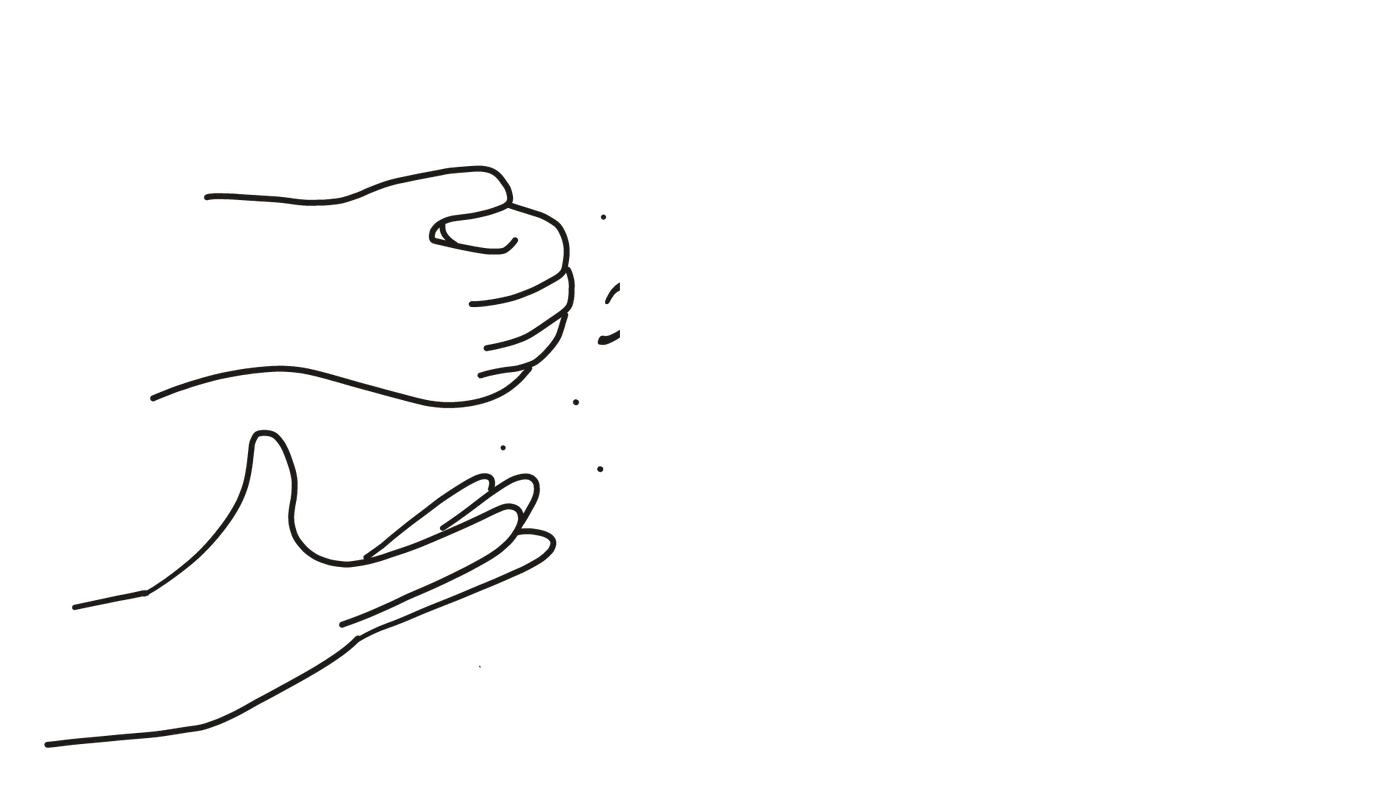
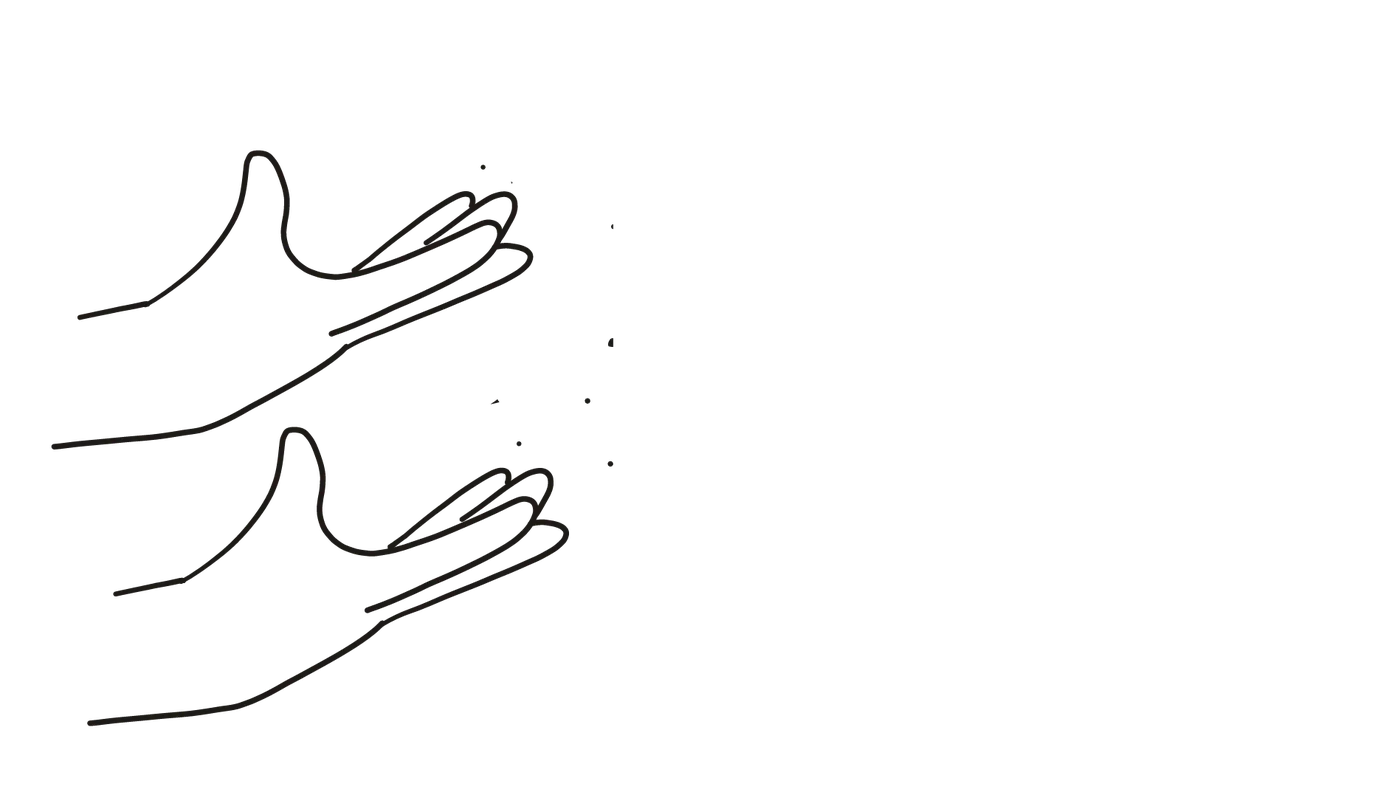
node: 110.1 · motionA drawing can’t move, so the packs drew a start, an end and an arrow. Here the hand travels between them and the path draws itself.
Motion is off: you see the frames side by side.
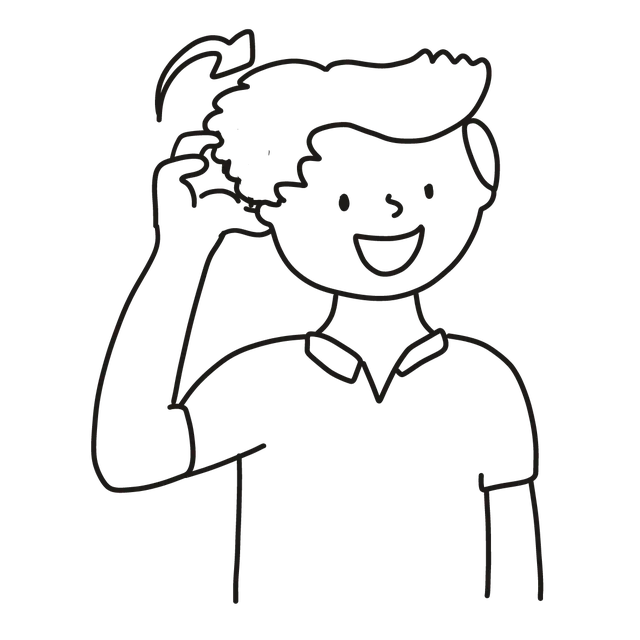
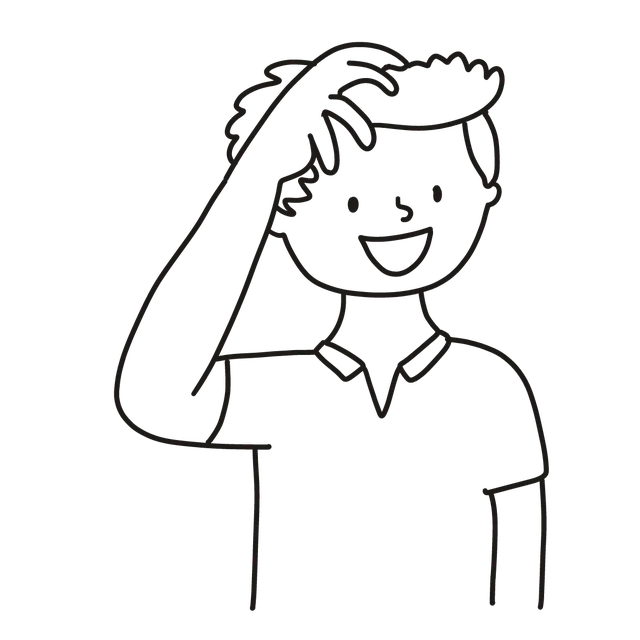
LIONlion · suggested The curved hand sweeps back over the head, like a mane.
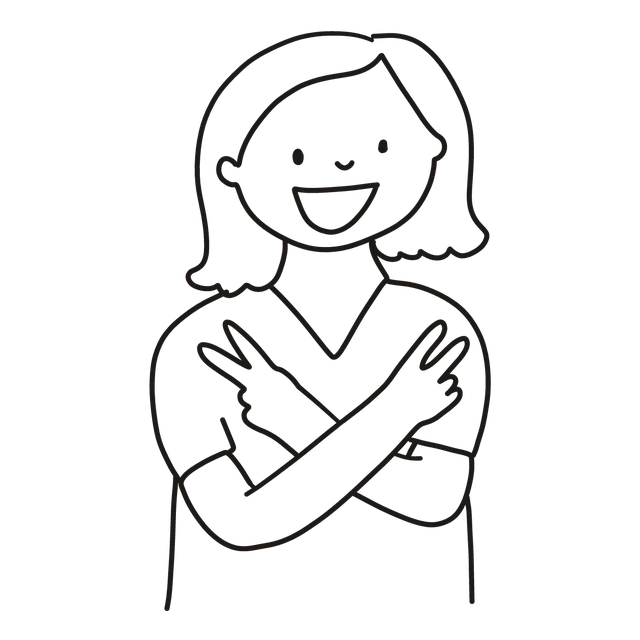
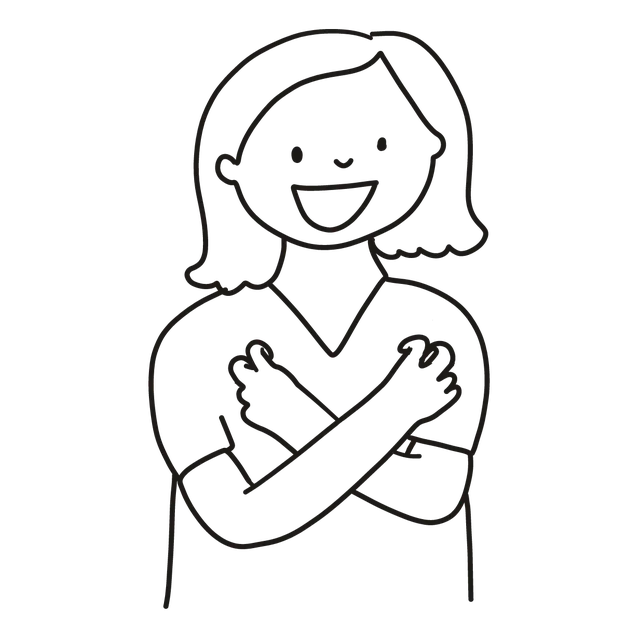
BEARbear · suggested Arms crossed on the chest, the fingers bend and scratch.
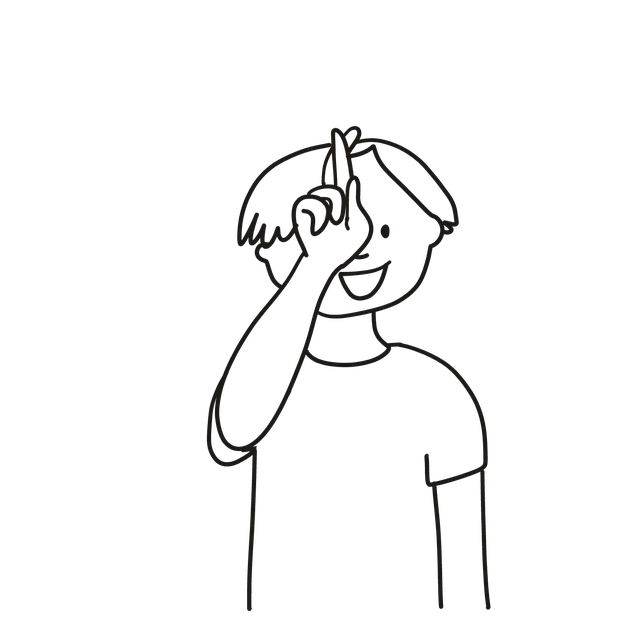
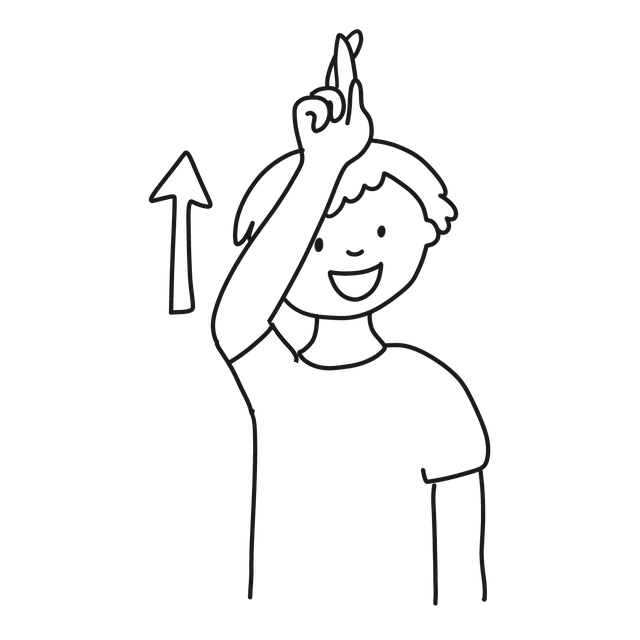
RABBITrabbit · suggested Two fingers at the head lift up, like ears.
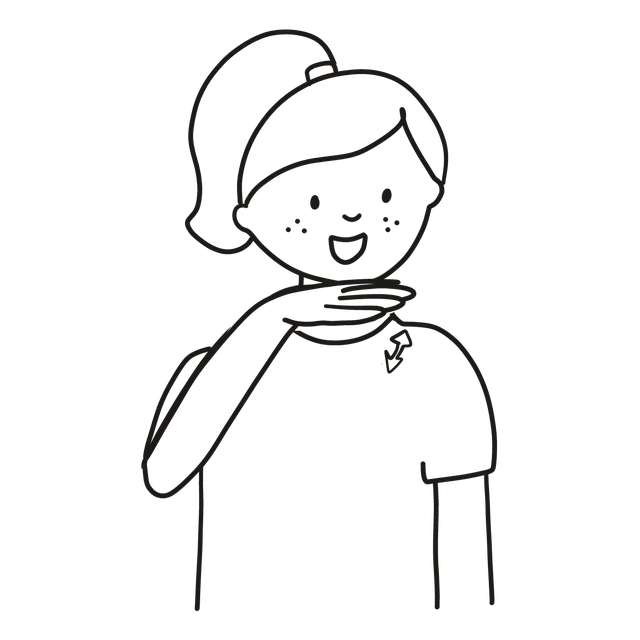
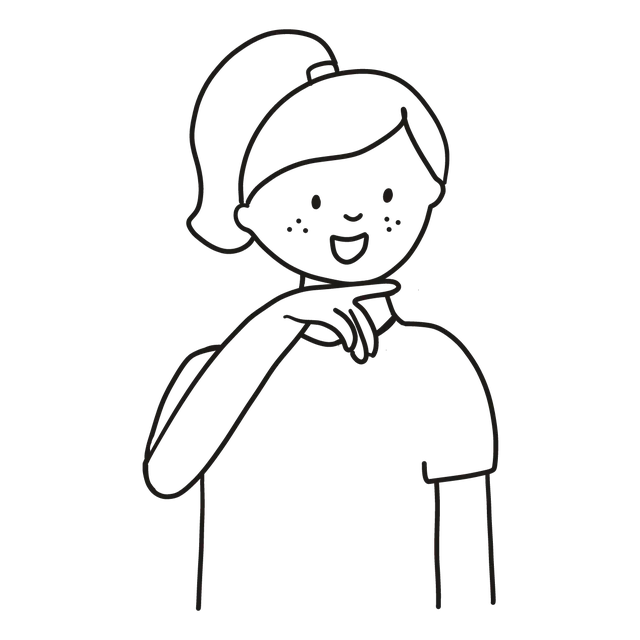
TURKEYturkey · suggested Under the chin, the fingers wiggle down.
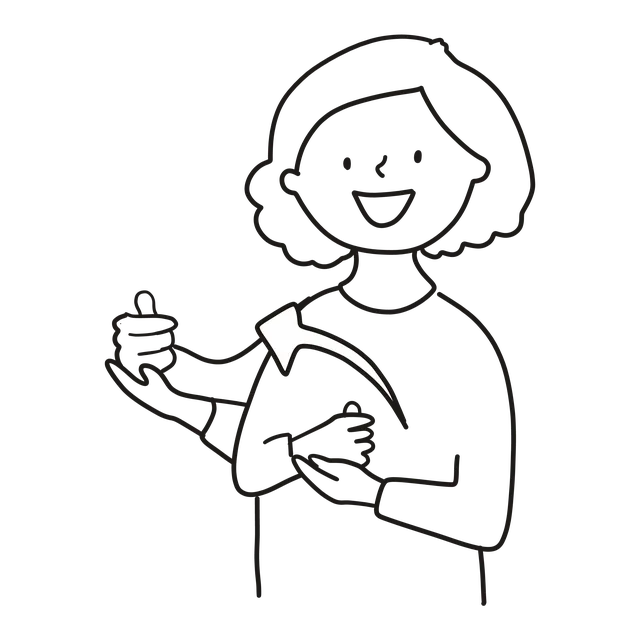
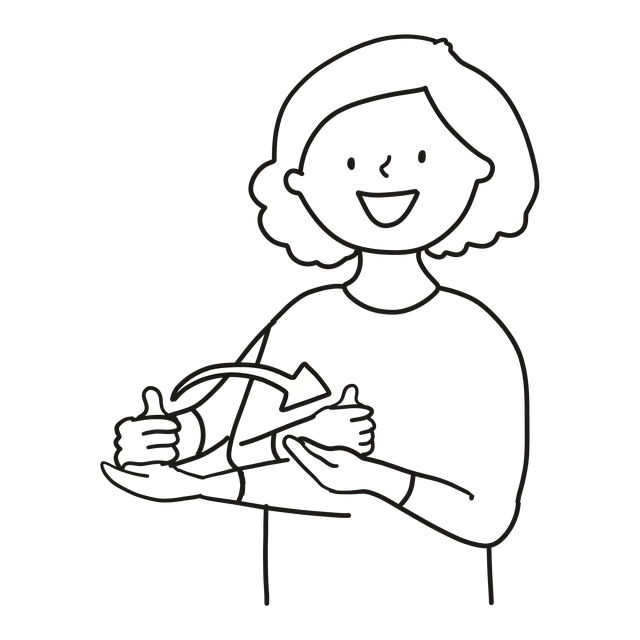
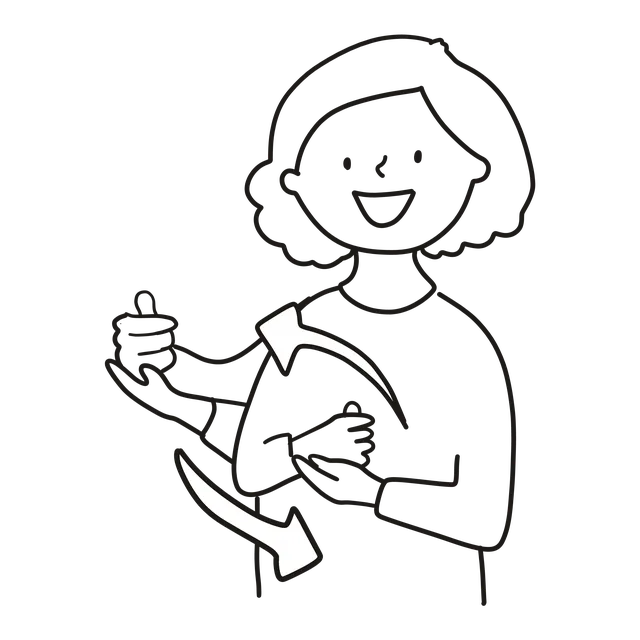
HELPhelp · suggested The same sign travels along different paths: the direction shows who helps whom.
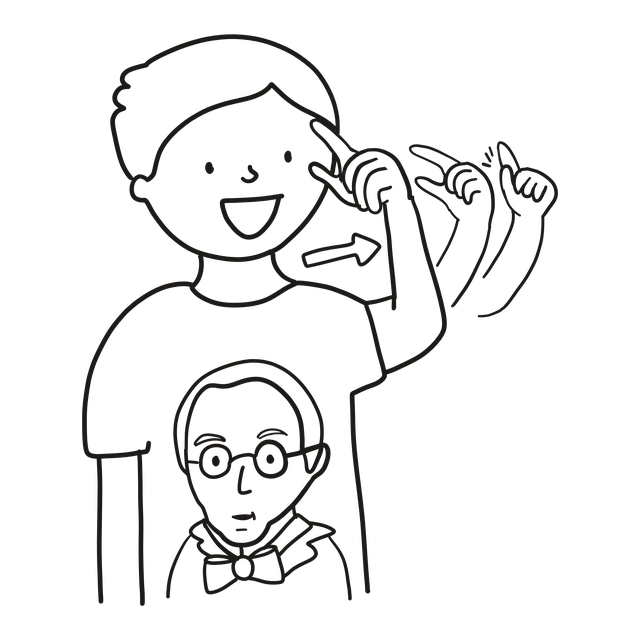
GALLAUDET (name sign)Gallaudet, the name · suggested From beside the eye, outward. It is often explained as tracing his glasses.
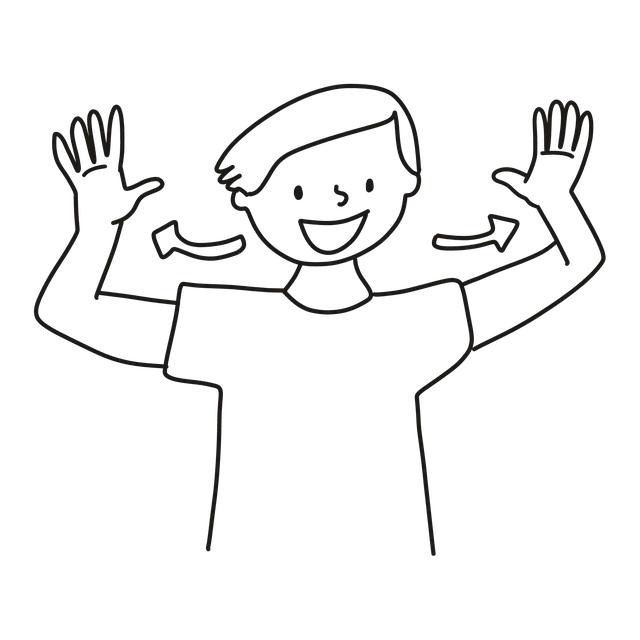
DEERdeer · suggested Open hands at the head spread out, like antlers.
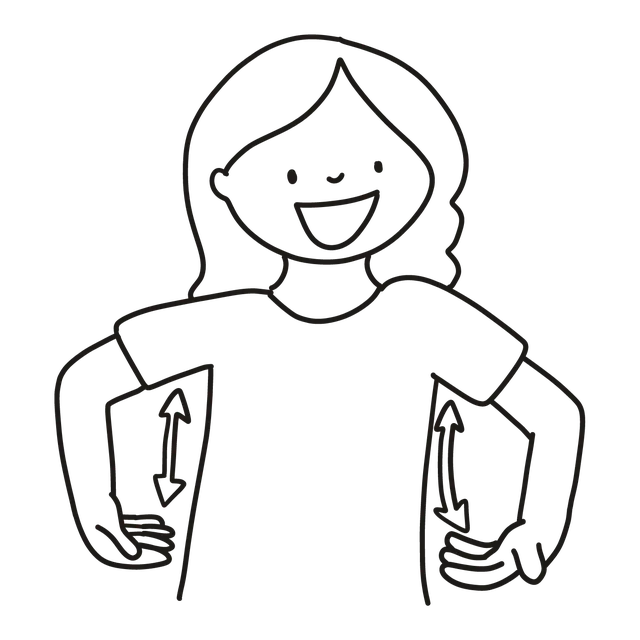
MONKEYmonkey · suggested Curved hands scratch up and down the sides.
ASL as a knowledge graph
node: 110.2 · graphASL is a system of reusable parts, not thousands of separate gestures.
Every sign links to five parameters: handshape, location, movement, palm orientation and the face. Tap a part to light up every sign that shares it. Tap a sign to see its five parts.
- Handshape
- Location
- Movement
- Palm orientation
- Face (non-manual markers)
Pick a sign or a part.
Signs
Parameters
Handshape
Location
Movement
Palm orientation
Face (non-manual markers)
In these drawings the face stays relaxed. In real signing the face carries grammar too, for example raised eyebrows for a yes-or-no question.
Play
node: 110.3 · practiceTwo small games. Nothing is saved: close the page and it forgets.
The motion, the graph and the games need JavaScript. The drawings and the timeline are below.
Context
node: 110.4 · history and poetryWalk the timeline
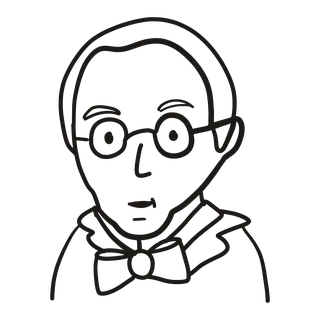
Thomas Hopkins Gallaudet helped start Deaf education in the United States, together with Laurent Clerc, a Deaf teacher. One step at a time.
 1787
1787Thomas Hopkins Gallaudet is born.
 1805
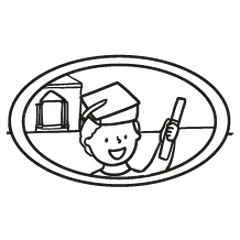
1805He graduates from college.
 1812
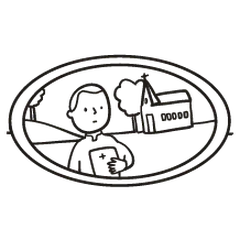
1812He decides to give his life to the ministry.
 1815
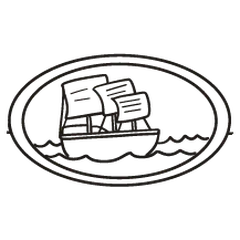
1815He travels to Europe to learn how Deaf students are taught. In Paris he meets Laurent Clerc, a Deaf teacher, who agrees to come back with him.
 1817
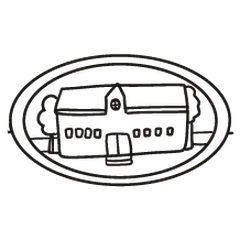
1817A school for Deaf students opens in Hartford, with Clerc as its first teacher.
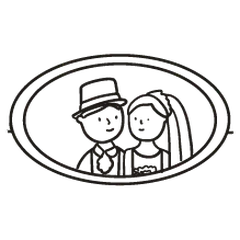 1821
1821He marries Sophia Fowler, a Deaf woman who was one of the school’s first students.
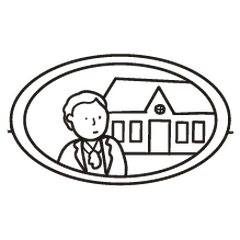 1831
1831He steps down as head of the school.
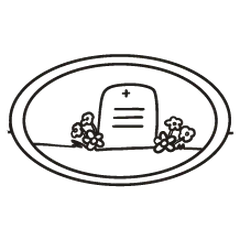 1851
1851He dies, at 63.
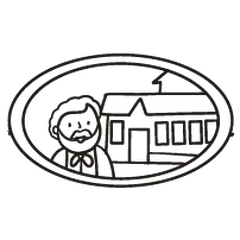 1857
1857His son Edward becomes head of a new school for Deaf and blind children in Washington, D.C.
 1864
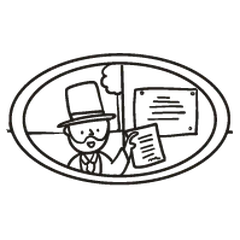
1864President Lincoln signs the law that lets the school grant college degrees. Its college was first called the “National Deaf-Mute College”. Today it carries the Gallaudet name.
Historical name, quoted as it was. “Mute” is not used today.
How poetry works in sign
The eight devices from the literacy pack. ASL poets often rhyme with handshapes, repeating one shape through a poem the way spoken poems repeat sounds.
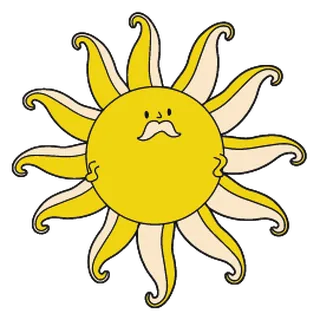
Personification
Giving human traits to something that isn’t human.
In ASL poetryA signer can become the sun or a tree: the body takes on the thing (often called role shift).
Imagery
Language that paints a picture.
In ASL poetryClassifier handshapes show shape, size and motion in the space in front of the signer, so the picture builds in the air.
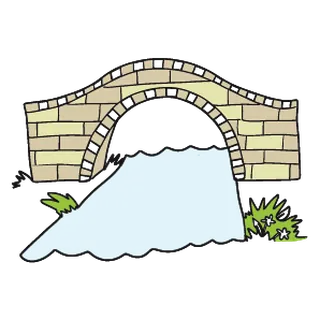
Foreshadowing
A hint of what is going to happen next.
In ASL poetryA handshape or a spot in space set up early can come back later and carry its meaning with it.

Simile
Comparing two unlike things with “like” or “as”.
In ASL poetryA poet can set two images side by side in space, or use a comparison sign, to say one is like the other.
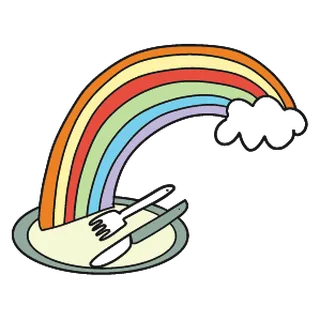
Metaphor
A comparison without “like” or “as”.
In ASL poetryMany poems lean on shared ideas, such as up for happy and down for sad, built right into the movement.
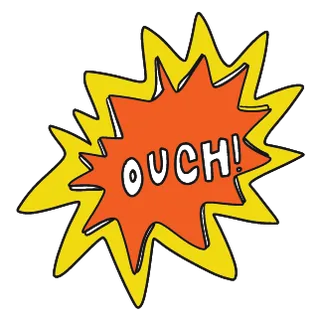
Onomatopoeia
A word that sounds like what it describes.
In ASL poetryASL poetry isn’t built on sound. Some poets use rhythm, repeated movement and mouth shapes to play a similar part.
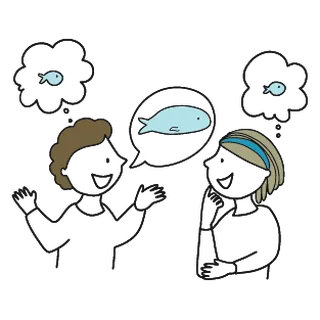
Hyperbole
Exaggerating on purpose to make a point.
In ASL poetryBigger, faster or longer movement, with a stronger face, can stretch a meaning on purpose.
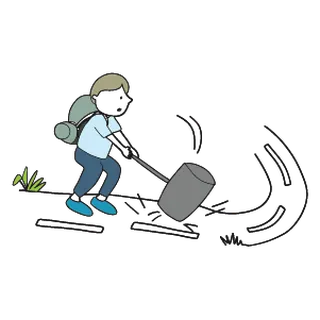
Idiom
A phrase that means something other than what it says.
In ASL poetryASL has its own idioms that don’t translate sign by sign into English, just as English idioms don’t translate into ASL.
Credits
node: 110.5Drawn by hand, then wired into a graph.
- Illustrations
- Melisa Machuret, 2018–19
- This page
- motion, graph and games built on those drawings, 2026
- Sign labels
- suggestions, being checked